Cart
0
Summary
Engine burning oil is a frustrating issue for many US‑based car owners. GPQ’s complete guide explains hidden causes, key warning symptoms, repair costs, and practical fixes to stop your engine from consuming excess oil.
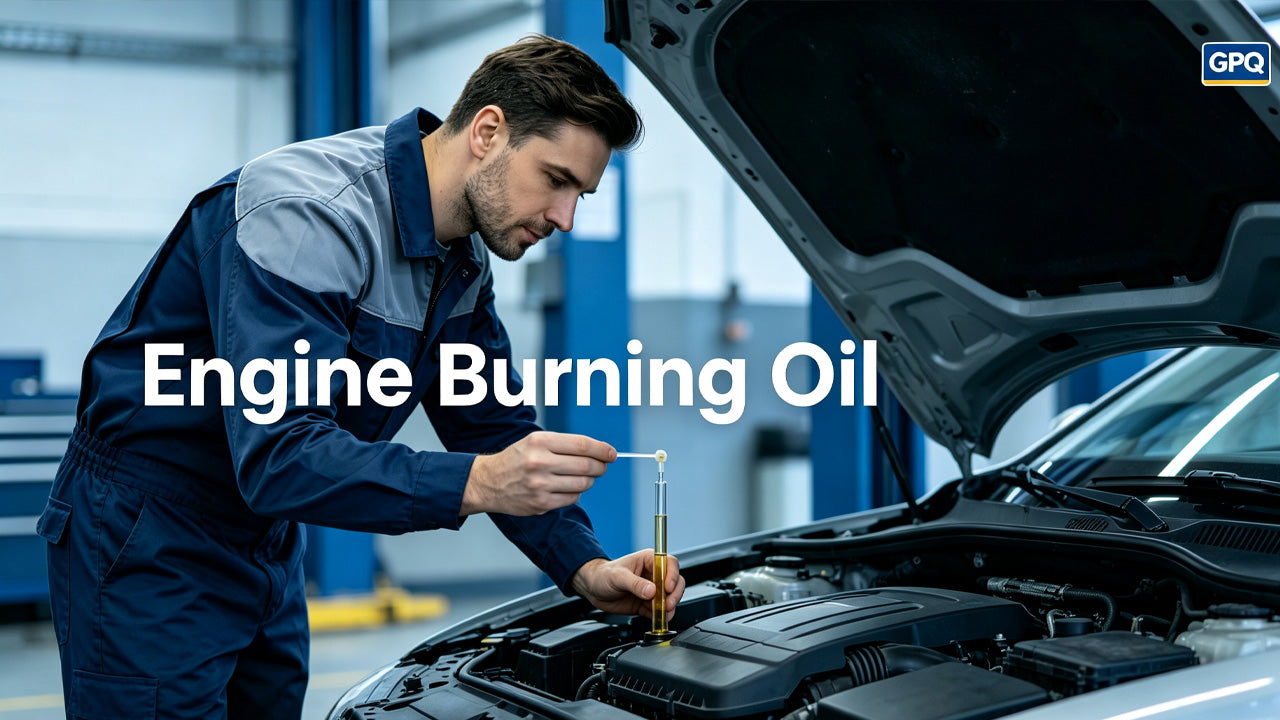
When you regularly check your dipstick and notice motor oil levels dropping unexpectedly, you are most likely dealing with engine burning oil. Thousands of American drivers run into this costly, confusing problem every year.
Why users search this keyword
Most visitors search “engine burning oil” after spotting unexplained oil loss, strange exhaust smoke, or burnt‑oil smells from their vehicle. Many do not know whether it is safe to keep driving, how expensive repairs will be, or whether the problem means they must replace their entire engine. Some also have the tricky situation of losing oil with no visible leak or smoke and want to find hidden root causes.
Problems this article solves
This guide helps you diagnose oil‑burning symptoms, distinguish cheap simple fixes from expensive overhauls, avoid unnecessary full‑engine replacement, and understand realistic repair costs. It clears up common misconceptions and helps you decide what repair route fits your budget.
What users should do next
After finishing this article, you should check your engine oil level, look for key warning symptoms, run a compression‑leakdown test, source high‑quality aftermarket replacement parts if repairs are needed, and schedule an inspection with a trusted local mechanic.
As a trusted aftermarket engine‑parts supplier for US customers, GPQ created this in‑depth guide to break down everything you need to know: top causes of engine oil consumption, hidden warning signs, safe driving limits, repair pricing breakdowns, and actionable solutions to help you stop engine burning oil before permanent damage occurs.
1. What Does Engine Burning Oil Actually Mean?
Engine burning oil happens when lubricating motor oil slips past sealed engine components and enters your combustion chambers. Instead of staying inside the crankcase to lubricate moving metal parts, this oil mixes with gasoline and burns up during the ignition cycle. The burned oil then exits through your exhaust system. A small amount of oil consumption is normal for high-mileage engines. However, excessive engine burning oil is never a problem you should ignore. This issue rarely fixes itself. Over time, low oil levels trigger friction-related wear inside pistons, cylinders, and valve trains. Serious cases can lead to seized engines and thousands-of-dollars repair bills.
Many drivers face a very confusing scenario: car losing oil but no leak or smoke. Without puddles on your driveway or blue exhaust smoke, oil‑burning problems can hide undetected for months. The table below outlines common visible vs hidden oil‑burning symptoms:
If you confirm your vehicle suffers from engine burning oil caused by worn internal components, visit our engine rebuild kit collection to browse durable aftermarket replacement parts built for US‑spec vehicle.
| Obvious Burning-Oil Warning Signs | Hidden, No-Smoke Oil-Burning Symptoms |
|---|---|
| Blue-tinged smoke coming from exhaust pipe | Frequent, unexplained dipstick oil-level drops |
| Strong burnt-oil smell from your engine bay | Spark plugs coated in oily residue |
| Dashboard low-oil-pressure warning light | Catalytic converter clogging or premature failure |
2. Top Root Causes of Engine Burning Oil
To properly fix oil consumption, you first need to identify which part of your engine is allowing oil to leak into combustion chambers. These are the most frequent engine burning oil causes for gasoline‑powered passenger cars and trucks across the United States:
2.1 Worn Piston Rings
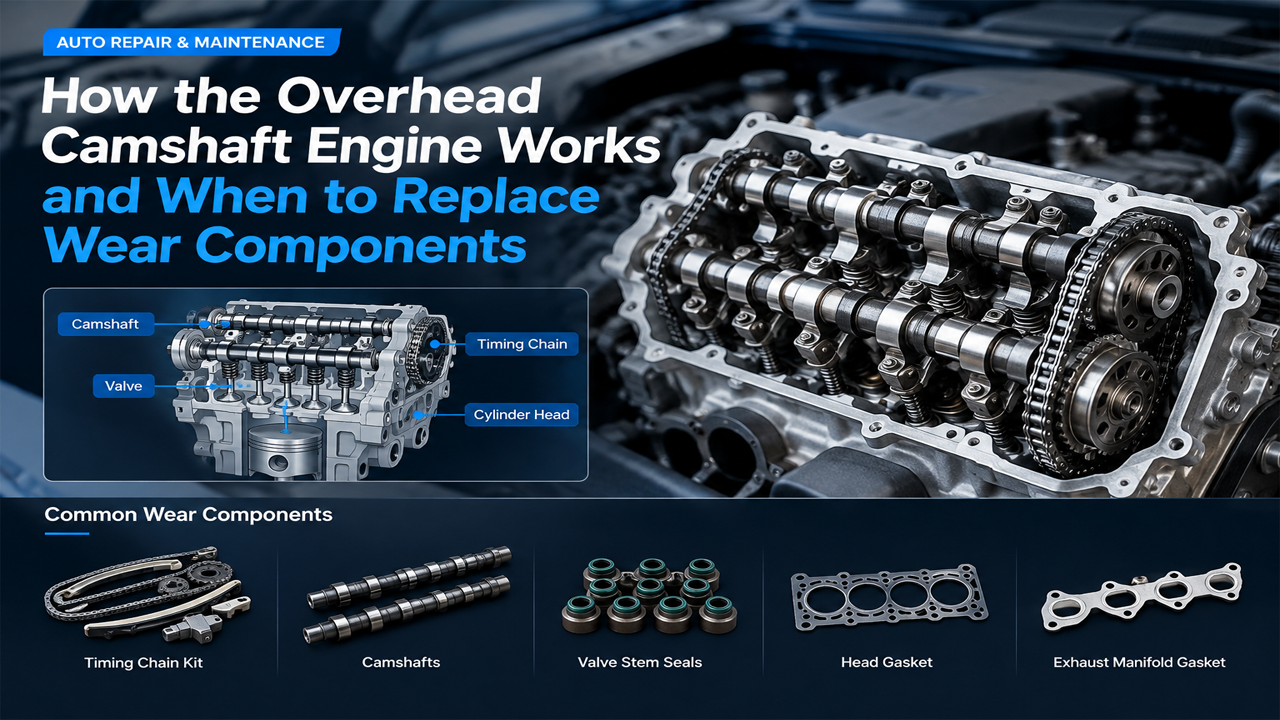
Piston rings seal the gap between your pistons and cylinder walls. They are designed to scrape excess motor oil back down into the crankcase. After tens of thousands of miles, piston rings wear, become stuck, or lose tension. Oil slips past these degraded rings and burns during combustion. This is the #1 cause of high‑mileage engine burning oil, and it frequently occurs engine burning oil but no smoke. Slow oil seepage creates very faint exhaust smoke you cannot see during normal driving.

2.2 Degraded Valve Stem Seals
Valve stem seals are small rubber gaskets fitted around intake and exhaust valves. Their job is to block oil from flowing down into the combustion chamber. Heat and age harden or crack these rubber seals. When seals fail, oil drips slowly into cylinders, most often when your vehicle sits parked overnight. Many drivers notice blue smoke for a few seconds after cold startup, which then quickly disappears.
2.3 Clogged or Damaged PCV (Positive Crankcase Ventilation) System
The PCV valve vents built‑up pressure inside your engine’s crankcase. When this valve gets blocked, internal pressure rises dramatically and pushes oil past seals and rings. This is one of the cheapest, easiest oil‑burning fixes. Many car owners overlook the PCV system and spend hundreds of dollars on unnecessary engine work.
2.4 Leaking Turbocharger Seals (Turbo‑Equipped Vehicles)
If your car has a turbo, failed turbo shaft seals can leak oil into intake pathways. The oil will burn off inside cylinders. Turbo‑related oil burning is common on modern‑model Ford, GM, BMW and Hyundai‑Kia vehicles.
2.5 Cylinder Wall Scratches & Damage
Deep scratches or scoring marks on cylinder walls stop piston rings from forming a tight, leak‑proof seal. Oil bypasses the rings and burns inside the engine. This damage usually comes from long‑term low oil pressure, skipped oil‑change services, or overheating events.
Valve seals, gaskets and timing components are common replacement items during oil‑burning engine repairs. Check out our engine gasket kits for compatible aftermarket parts. 
3. Car Burning Oil Symptoms: How To Tell Your Engine Consumes Oil
Recognizing car burning oil symptoms early helps you avoid expensive secondary damage. Even when you have an engine burning oil but no smoke, watch for these clear red‑flag indicators:
- Excessive Oil Consumption: A primary sign is the need to frequently top off your engine oil between scheduled maintenance intervals. If your oil level drops rapidly or the low-oil warning light illuminates before your next service, your engine is likely consuming oil at an abnormal rate.
- Engine Performance Issues: Burning oil can lead to the accumulation of carbon deposits on spark plugs and valves. This often results in noticeable symptoms such as rough idling, engine misfires, sluggish acceleration, and a general decrease in engine power.
- Increased Fuel Consumption: As oil enters the combustion chamber and burns, it disrupts the air-fuel mixture and reduces overall combustion efficiency. This forces the engine to work harder, leading to a measurable drop in fuel economy.
- Unusual Engine Noises: Insufficient oil levels caused by burning can lead to inadequate lubrication of internal components. This increased friction may cause the engine to produce louder-than-normal mechanical noises or a ticking sound, especially during startup.
- Foul Exhaust Odor: While blue smoke is a classic sign, even without visible smoke, burning oil can produce a distinct, acrid, or chemical smell from the exhaust that differs from normal emissions.
If you notice 2 or more of these symptoms, schedule engine diagnostic work as soon as possible. Delaying repairs will only worsen internal wear.
4. Is It Bad To Drive A Car That Burns Oil?
This is one of the most‑searched‑for questions from US vehicle owners: Is it bad to drive a car that burns oil? The short answer: driving short distances with minor oil burn is possible, but long‑term, continuous driving carries serious risk.
When your engine burns oil, lubricant levels slowly drop. Low oil creates metal‑to‑metal friction inside pistons, crankshaft bearings, and camshafts. Without enough lubrication, these high‑heat moving parts wear out extremely fast. In the worst‑case scenario, your engine can seize completely while you are driving. This creates an instant safety hazard on highways, and engine replacement costs will run well over $3,000.
Burning oil also contaminates and destroys your catalytic converter. Exhaust converter replacement is a costly separate repair, on top of fixing your root oil‑burning issue.
If you must keep driving temporarily:
- Check your engine oil level every single time before you start your vehicle.
- Top‑up oil immediately when levels fall below the minimum dipstick mark.
- Avoid high‑speed highway driving, heavy towing, and hard acceleration.
- Book an engine inspection at your trusted local repair shop at your earliest convenience.
5. Can You Fix An Engine That Is Burning Oil?
Many drivers panic and wonder: Can you fix an engine that is burning oil? Yes, in most cases oil‑burning engines are repairable. Your exact repair path depends entirely on which component is causing the oil consumption.
Low‑cost, simple repairs (under $300)
- Replace a failed or clogged PCV valve
- Swap out worn valve stem seals
- Upgrade to a higher‑viscosity motor oil (temporary solution only, not a permanent fix)
Mid‑range engine repairs ($1,500‑$4,000)
- Piston‑ring replacement, cylinder honing work
- Turbo seal replacement These repairs require partial engine teardown. Many mechanics will recommend installing a full engine rebuild kit while the engine is disassembled, so you replace multiple worn components in one single repair session.
Major repair or engine replacement ($4,000+)
Deeply scored cylinder walls, severely damaged crankshaft bearings, or complete internal engine failure. At this stage, some vehicle owners choose to install a remanufactured or aftermarket long‑block engine instead of repairing the old one.
Valve seals, gaskets and timing components are common replacement items during oil‑burning engine repairs. Check out our engine gasket kits for compatible aftermarket parts. 
When your repair shop recommends piston‑ring replacement or an engine overhaul, explore our durable engine overhaul rebuild kits built for North‑American vehicle models.

6. Does Burning Oil Mean I Need A New Engine?
A very common fear among car owners facing oil consumption is whether this symptom requires a complete engine replacement. The answer is almost always no. Engine burning oil is merely a symptom of an underlying issue, not an automatic death sentence for your motor. In fact, thousands of oil-burning vehicles are successfully repaired every year without the need for a full-engine replacement.
The appropriate solution depends entirely on the specific cause of the oil consumption. In many cases, the issue stems from relatively minor or localized problems that can be fixed without dismantling the engine. For example, a malfunctioning PCV (Positive Crankcase Ventilation) valve or deteriorated valve stem seals can easily allow oil to seep into the combustion chamber, and replacing these inexpensive components often resolves the issue. Another frequent culprit is carbon buildup causing the piston rings to stick; this can frequently be addressed through specialized cleaning treatments without any engine disassembly.
A complete engine replacement or major overhaul is typically only necessary in cases of severe, irreversible mechanical damage. This includes situations where there is significant scoring or wear on the cylinder walls, excessive clearance due to worn crankshaft bearings, or catastrophic internal failure such as a broken connecting rod. For the vast majority of drivers, a proper diagnosis by a qualified mechanic will reveal a targeted repair that restores engine health at a fraction of the cost of a new engine.
You will only need a brand‑new or remanufactured engine if oil‑burning problems were ignored for so long that catastrophic internal damage has already occurred. Signs you may need engine replacement include:
You will only need a brand‑new or remanufactured engine if oil‑burning problems were ignored for so long that catastrophic internal damage has already occurred. Signs you may need engine replacement include:
- Severe cylinder wall scoring that cannot be honed or repaired
- Worn crankshaft and connecting rod bearings
- Engine seizing or complete internal failure
Before committing to an expensive new engine, always request a compression test and leak‑down test from your mechanic. These two simple diagnostic checks will show you exactly how much internal wear your engine has, and help you decide between low‑cost repairs, partial overhaul, or full engine replacement.

7. Is It Expensive To Fix Oil Burning? Real Repair Cost Breakdown
US car owners frequently search: Is it expensive to fix oil burning? Repair costs range wildly, based on the root cause of your engine burning oil issue. Below is a realistic cost breakdown for repairs across United States auto‑repair shops:
- PCV‑valve replacement: $50‑$250 (parts + labor)
- Valve‑stem seal replacement: $800‑$1,800
- Piston‑ring replacement / minor engine overhaul: $1,800‑$4,000
- Turbo seal repair: $1,200‑$3,500
- Full remanufactured engine installation: $4,000‑$7,500+
Labor fees are the largest expense for most oil‑burning repairs, since mechanics often need to remove major engine components to access pistons, valves and seals. One money‑saving tip for DIY‑focused US consumers: source high‑quality aftermarket engine rebuild parts, like GPQ complete overhaul kits, ahead of time, and supply your own parts to your repair shop. This can significantly cut down on your total repair bill.
8. How To Stop Engine From Burning Oil: Long‑Term Prevention Tips
Once you resolve your oil‑burning problem, follow these maintenance habits to help stop engine from burning oil again in the future:
- Stick strictly to your vehicle’s recommended oil‑change schedule. Never delay oil changes past your manufacturer’s suggested mileage interval. Clean, fresh oil keeps piston rings from becoming stuck.
- Always use the correct oil viscosity grade listed inside your owner’s manual.
- Inspect and replace your PCV valve at every 30,000–50,000‑mile service mark. This cheap part prevents dangerous crankcase pressure buildup.
- Avoid repeated short‑trip driving. Short trips do not allow your engine to reach its full operating temperature, and moisture builds up inside your engine, accelerating seal wear.
- Warm‑up your engine for 30‑60 seconds before heavy acceleration on cold mornings.
- Complete regular compression testing every 50,000 miles on high‑mileage vehicles, to catch early oil‑burning symptoms before they worsen.
Frequently Asked Questions
Q: Can you fix an engine that is burning oil?
A: Most oil‑burning engines can be repaired. Repairs range from simple low‑cost PCV valve replacement, all the way to piston‑ring overhauls. Severe internal damage may require full‑engine replacement. Always run compression and leak‑down diagnostic tests before committing to expensive overhaul work.
Q: Does burning oil mean I need a new engine?
A: No. Engine oil consumption rarely requires a new engine. Oil‑burning is usually caused by worn seals, rings, or ventilation components. You will only need a new engine when long‑term oil burn has caused catastrophic internal damage to cylinder walls or bearings.
Q: Is it bad to drive a car that burns oil?
A: Short‑distance driving is possible if you carefully maintain proper oil levels, but ongoing driving is risky. Low oil from burning can lead to engine seizing, safety hazards, and costly catalytic‑converter damage. You should book repairs as soon as you detect oil consumption symptoms.
Q: Is it expensive to fix oil burning?
A: Repair costs vary greatly. Simple fixes like a PCV valve cost less than $300. Major overhauls for worn piston rings range $1,800‑$4,000. Full engine replacement costs $4,000 or higher. Buying aftermarket replacement parts like GPQ rebuild kits can help lower your overall repair expenses.
Q: Why is my car losing oil but no leak or smoke?
A: Hidden oil burn, often from stuck piston rings, is the most common reason. Oil seeps slowly into combustion chambers and burns completely, leaving no visible blue exhaust smoke, and no external oil leaks on your garage floor.
Q: Can oil‑burning stop on its own?
A: Engine burning oil will almost never resolve itself. Worn seals, rings and damaged engine components do not heal over time. Oil consumption will slowly get worse if left unattended.
Key Takeaways
Engine burning oil is a widespread, fixable problem for US car owners. Whether you are dealing with visible blue exhaust smoke or the confusing scenario of car losing oil but no leak or smoke, the first critical step is to identify the root source of oil consumption. Always weigh repair costs carefully, and do not automatically assume burning oil means you must purchase a brand‑new engine. Simple maintenance, early diagnostics, and high‑quality aftermarket replacement components from GPQ can help you resolve oil‑burning trouble, restore engine health, and avoid thousands of dollars in unnecessary repair fees.
If you are planning an engine overhaul to fix oil consumption, browse GPQ’s wide selection of aftermarket engine rebuild kits, gaskets, and internal engine parts built for daily‑driven US vehicles. Always cross‑reference OEM part numbers and your exact Year‑Make‑Model‑Engine specifications before ordering replacement components.