
Cart
0
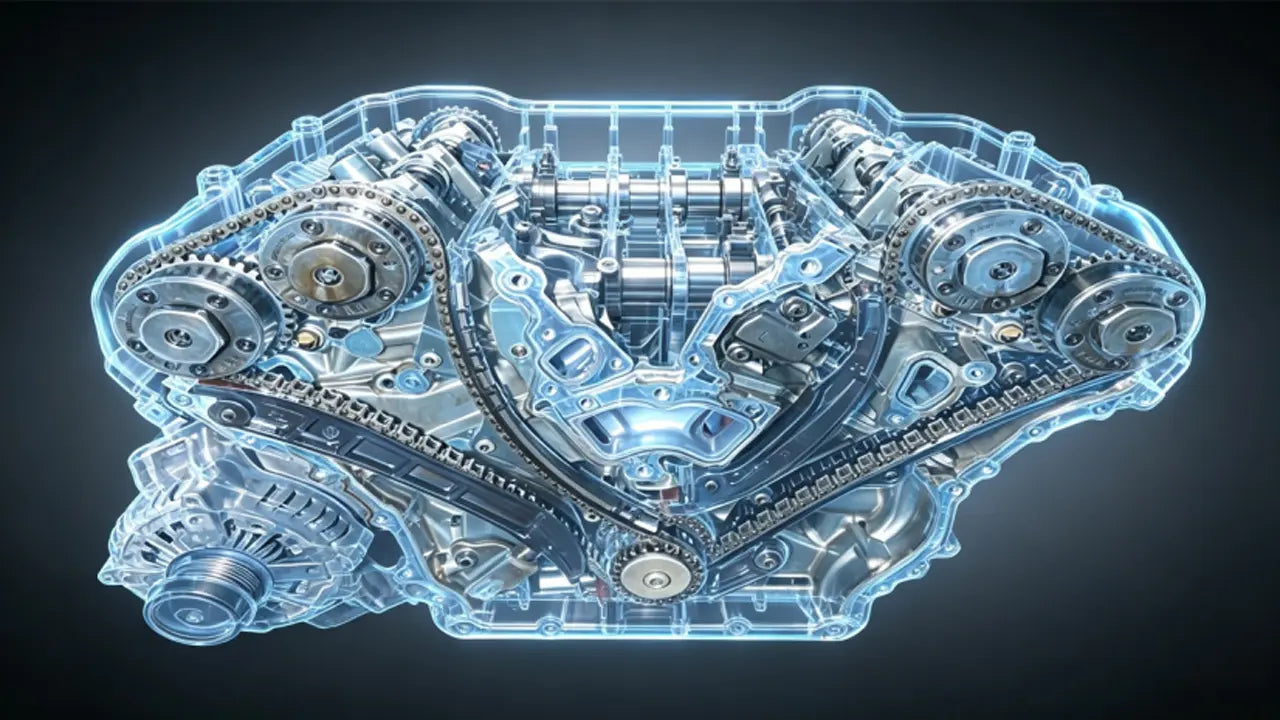
Tired of that persistent valve ticking, a loud clattering noise on cold starts, or a shaky idle accompanied by stubborn P0016 and P0017 fault codes on your FCA 3.6L Pentastar V6?
While most vehicle owners immediately blame a stretched timing chain, seasoned technicians know that scored camshaft lobes, bleeding hydraulic lifters, and worn roller rocker arms are often the true catalysts behind these compounding issues. Skipping a thorough top-end inspection frequently leads to half-done repairs and repeated failures. This comprehensive troubleshooting guide tears down the inherent factory design flaws, explores critical early warning signs, analyzes real repair costs, and outlines the systematic strategy required to restore your engine's mechanical synchronization permanently.
1. Applicable Vehicles With 3.6L Factory Defects
Produced from 2011 to 2022, the 3.6L Pentastar V6 is widely equipped across the FCA family vehicle lineup. Despite its reliable power output, the factory-installed timing assembly, camshafts, and hydraulic lifters are prone to premature wear and failure.
Affected Models:
-
Jeep: Wrangler, Grand Cherokee, Cherokee
-
Dodge:Durango, Charger, Challenger, Grand Caravan
-
Chrysler: 300, 200, Pacifica
-
Ram: Ram 1500

Note: Although FCA introduced technical updates and introduced the "Pentastar Upgrade" architecture after 2016, our engineering catalog is fully segmented to cover both design generations. If your vehicle shows abnormal noise, an unstable idle, or a check engine light, your timing system and valvetrain require immediate inspection. To ensure you order the exact components for your production year, you can check our application guide below, or contact our technical support team directly with your VIN for instant fitment verification.
2. How Pentastar 3.6L Timing & Valvetrain System Works
Unlike traditional belt‑driven engines, the 3.6L Pentastar adopts an oil‑pressure controlled timing chain system paired with a precision valvetrain mechanism. The full assembly includes primary & secondary timing chains, hydraulic tensioners, plastic guides, VVT cam phasers, intake/exhaust camshafts, valve lifters, and rocker arms.
Hydraulic tensioners rely on clean and stable oil pressure to maintain proper chain tension. Meanwhile, camshaft lobes, lifters, and rocker arms work together to control valve opening and closing. With accumulated mileage, chains stretch, guides wear out, camshaft surfaces wear down, lifters lose hydraulic pressure, and rocker arms develop clearance play — causing timing deviation and rhythmic valve ticking.
3. Key Warning Signs of Failing Timing Chain, Camshaft, Lifters & Rocker Arms
Early detection can prevent severe engine damage. Watch for these core failure symptoms:
-
Cold‑Start Metallic Rattling: Loose timing chain and weak tensioners create short loud clattering noise during cold ignition.
-
Persistent Valve Ticking Noise: The most typical failure feature of the Pentastar 3.6L engine. Worn camshaft lobes, fatigued rocker arms, and collapsed hydraulic lifters create a steady rhythmic ticking sound that amplifies with rising engine RPM. This noise never disappears after warm-up and worsens with increased mileage.
-
Illuminated Check Engine Light (P0016/P0017): Triggered by inconsistent synchronization between crankshaft and camshaft positions. Wear on camshaft surfaces and loose valvetrain clearance disrupt VVT system calibration, resulting in permanent timing deviation and fault code activation.
-
Rough Idle & Random Misfires: Damaged camshafts, unresponsive lifters and loose rocker arms disrupt precise valve movement, messing up air-fuel combustion balance. The engine shakes violently at idle and produces obvious misfires during acceleration.
-
Sluggish Acceleration & Power Loss: Malfunctioning valvetrain components and retarded timing chain angles hinder VVT phaser adjustment. The engine cannot output standard torque, leading to slow throttle response and weak climbing performance.
-
Hard Starting & Extended Cranking: Disordered valve timing caused by stretched chains and worn camshafts reduces cylinder compression. The starter needs more cranking time to ignite the engine, especially after long-time parking.
-
Engine Oil Contamination: Abrasive debris from worn camshafts, degraded plastic timing guides and metal friction residues mix into engine oil, clogging the oil pump pickup screen and worsening internal component wear.
- Engine Overheating & Minor Oil Leakage: Long-term timing system and valvetrain failure increases engine operating load. Aging gaskets and seals cannot withstand abnormal pressure, causing persistent oil seepage and occasional overheating issues.
|
Engine Symptom |
Severity Level |
Recommended Technical Action |
|
Cold-Start Metallic Rattling |
High |
Inspect timing chain slack and hydraulic tensioner oil pressure retention immediately. |
|
Persistent Rhythmic Valve Ticking |
High |
Remove valve covers to check for collapsed hydraulic lifters and rocker arm bearing play before camshaft lobes score. |
|
Illuminated Check Engine Light (P0016 / P0017 Fault Codes) |
Critical |
Stop driving to prevent timing jump; check precise VVT cam phaser calibration and camshaft surface wear. |
|
Rough Idle & Random Misfires |
Critical |
Perform cylinder compression test; abnormal valve lift profiles are causing air-fuel mixture imbalance. |
|
Sluggish Acceleration & Torque Loss |
High |
Scan VVT live data stream; stretched timing chains are failing to retard or advance camshaft angles properly. |
|
Hard Starting & Extended Cranking |
High |
Check synchronization between crankshaft and camshaft; timing drift is lowering initial cylinder compression. |
|
Metal Shavings or Plastic Debris in Engine Oil |
Critical |
Drop the oil pan immediately. Clean the oil pump pickup screen and prepare for a full timing/valvetrain system refresh. |
|
Engine Overheating & Fluid Seepage Near Covers |
High |
Replace failing gaskets and seals during the teardown; avoid operating under high thermal load to prevent head warping. |
4. Interpretation of P0016 & P0017 Fault Codes (Camshaft & Timing Related)
These two fault codes are the most common diagnostic results for faulty 3.6L Pentastar engines, directly related to camshaft wear and timing system failure:
-
P0016: Bank 1 intake camshaft loses synchronization with the crankshaft. Caused by stretched timing chains, failed tensioners, or worn camshaft working surfaces that affect normal VVT adjustment.
-
P0017: Exhaust camshaft timing offset fault. Wear on exhaust-side lifters and rocker arms leads to inaccurate valve stroke, further aggravating camshaft-crankshaft phase deviation.
In short, single timing chain wear rarely triggers these codes independently. In most cases, it is the combined wear of camshafts, lifters and rocker arms that breaks the factory timing balance and activates fault alerts.
5. Root Causes of Timing Chain, Camshaft & Valvetrain Premature Failure
The Pentastar 3.6L’s recurring engine problems stem from multiple factory design flaws and daily usage factors, mainly including:
-
Irregular Oil Maintenance: Dirty, deteriorated engine oil loses lubrication performance. It cannot provide stable hydraulic pressure for tensioners and lifters, and fails to lubricate camshaft and rocker arm friction surfaces, causing accelerated abrasion.
-
Factory Plastic Timing Guide Degradation: Original plastic guides are poor in high-temperature resistance. Long-term engine operation makes them brittle and cracked, resulting in loose timing chains and abnormal timing angles.
-
Timing Chain Elongation & Tensioner Defects: Stock tensioners lack mechanical locking structure and are prone to retraction under unstable oil pressure. Chain elongation further causes overall timing slack.
-
Camshaft Surface Wear: The factory camshaft adopts ordinary machining technology. Long-term friction with lifters causes lobe wear, which changes valve lift and timing stroke, triggering ticking noise and power attenuation.
-
Lifter & Rocker Arm Fatigue Failure: Original hydraulic lifters are prone to internal pressure leakage and collapse; matched rocker arms easily produce clearance play after high-mileage operation, forming persistent valve ticking and idle jitter.

6. Is It Safe to Drive With a Damaged Timing System or Valvetrain?
Operating your vehicle with these symptoms is highly discouraged. What begins as a minor valvetrain tick or an occasional cold-start rattle can rapidly escalate into severe mechanical failure if left unaddressed. Worn camshafts and collapsed lifters cause erratic valve lift profiles, while a slack timing chain runs a high risk of skipping teeth on the cam phasers.
Because the 3.6L Pentastar is an interference engine, the clearance between the valves and the pistons is incredibly tight. If the timing chain jumps sequence entirely, the pistons will collide with the intake and exhaust valves. This instantly bends the valves, damages the cylinder heads, and can easily turn a repairable issue into a mandatory engine replacement. If your vehicle is exhibiting pronounced metallic ticking, severe cold-start clattering, or a sudden drop in engine performance, it is critical to diagnose the vehicle immediately rather than risk extended driving.
7. Professional Fault Diagnosis Steps
Diagnosing a timing or valvetrain issue on the 3.6L Pentastar V6 requires a systematic approach. Whether you are a professional technician or an experienced DIYer tackling this in your garage, following these technical steps will help you isolate the root cause before ordering replacement parts:
Step 1: Hook Up an OBD-II Scanner
Scan the engine control module (ECM) for active or pending codes. Pay close attention to diagnostic trouble codes (DTCs) like P0016, P0017, P0300, or P0306. If you see timing misalignment codes alongside random misfires, your timing chain has likely stretched or skipped a tooth.
Step 2: Monitor VVT Live Data Stream
Using a professional diagnostic tool, read the live data for your variable valve timing (VVT) cam phasers. Compare the desired camshaft angle against the actual angle. A variance of more than a few degrees indicates a failing phaser or lack of oil pressure retention in the hydraulic system.
Step 3: Remove Valve Covers for Visual Inspection
To verify mechanical wear, you must look inside. Carefully unbolt and remove the plastic valve covers to expose the camshafts, rocker arms, and lifters. Because these factory rubber seals flatten and harden over time, always install fresh valve cover gasket replacements during reassembly to prevent future oil leaks under the hood.
Step 4: Check for Rocker Arm and Lifter Play
Use a feeler gauge or manually press down on each rocker arm. Look for any loose rollers, excessive bearing play, or scored camshaft lobes. A hydraulic lifter that can be easily compressed by hand has collapsed and must be replaced immediately.
8. Market Repair Cost Analysis
The integrated repair of a timing system and valvetrain is highly labor-intensive, requiring extensive engine disassembly and calibration. Official dealers and professional repair shops typically charge between $2,000 and $4,000 for a full overhaul, with labor costs accounting for nearly 80% of the total bill.
Unfortunately, many shops cut corners by replacing only individual worn parts, such as a single timing chain or a few noisy lifters. This creates a "repeat repair trap"—putting a fresh chain onto failing cam phasers guarantees another breakdown within months. To eliminate this financial risk and avoid paying that massive labor fee twice, smart vehicle owners opt to refresh the entire system with heavy-duty engine replacement parts built to exceed factory endurance limits.
9. Must-Replace Parts for Complete One-Time Repair
To eliminate recurring faults fundamentally, all synchronously worn components must be replaced together, not partially:
-
Primary & secondary timing chains + hydraulic tensioners + timing guide rails
-
Intake & exhaust camshafts (upgrade wear-resistant model)
-
Full set of valve lifters & rocker arms
-
Worn VVT cam phasers
-
Timing cover gasket, cylinder head gasket and all sealing accessories
-
Water pump & oil pump (highly recommended for simultaneous replacement)

10. GPQ Upgraded Complete Overhaul Kit – One-Time Permanent Fix For Pentastar 3.6 Defects
The 3.6L Pentastar is a great engine, but the factory timing and valvetrain parts are well-known for wearing out early. To fix this, our upgrade kit replaces those failure-prone factory parts with heavy-duty components that are actually built to last:
•Tougher Chains & Guides: We use high-strength steel chains that won't stretch over time, paired with upgraded guide rails that won't crack or get brittle from engine heat
Investing on these reinforced engine repair components saves you the massive headache of hunting down scattered individual parts from different stores. Whether you drive an older 2011–2015 model or the newer 2016–2022 version, we map out the exact components you need based on your specific year. Plus, every order comes backed by a full 3-year parts warranty to give you total peace of mind on the road.
11. Frequently Asked Questions
Q: Can I only replace lifters and rocker arms to fix the ticking noise?
A: No. Valve ticking is usually a comprehensive fault caused by the simultaneous wear of camshafts, lifters and rocker arms, plus timing system deviation. Replacing single parts can only relieve symptoms temporarily and will recur soon.
Q: Is it feasible to replace only the timing chain without repairing the valvetrain?
A: Not recommended. Camshaft and valvetrain wear is the core hidden cause of timing deviation. Simply replacing the chain cannot fix P0016/P0017 codes and abnormal noise fundamentally.
Q: Will Full kit replacement completely clear P0016/P0017 codes?
A: Yes. Restoring factory-standard camshaft timing and valvetrain coordination can permanently eliminate phase deviation fault codes.
Q: What maintenance habits can prevent these failures?
A: Performing regular oil changes every 5,000 miles using high-quality full-synthetic oil and an OEM-spec filter is the single best way to protect your engine. This ensures consistent, clean hydraulic oil pressure for the tensioners and lifters while minimizing friction across the camshaft and rocker arm contact surfaces.
The Bottom Line: While the 3.6L Pentastar’s timing and valvetrain vulnerabilities are well-documented factory design flaws, they do not mean your engine is ruined. Correcting these weak points requires addressing the system as a whole. By shifting to heavy-duty components engineered with superior surface hardness and thermal stability, you can effectively eliminate persistent cold-start rattling, valve ticking, and phase deviation codes. Pairing a complete system refresh with strict oil maintenance habits will restore your engine's original efficiency and safeguard your vehicle's powertrain for the long haul.
Q: Does this overhaul kit fit all 2011-2022 Jeep/Dodge/Chrysler/Ram 3.6 Pentastar engines?
A: Yes. Our complete timing and valvetrain rebuild kit is compatible with all Pentastar 3.6L V6 powerplants produced between 2011 and 2022, including Wrangler, Grand Cherokee, Durango, Charger, Challenger, 300, 200, Pacifica and Ram 1500.
Q: Do I need special timing lock tools to install these parts?
A: Professional timing locking tools are required for accurate camshaft timing alignment during installation. We recommend purchasing matching specialty timing tools if you plan a DIY rebuild to avoid incorrect timing setup.

GPQ Technical Support

Our technical articles are written and verified by master technicians and senior engine rebuilders at GPQ Engine. We ensure every diagnostic guide, OBD-II analysis, and fitment specification meets rigorous OEM-standard criteria.
Recent Post


