
Cart
0
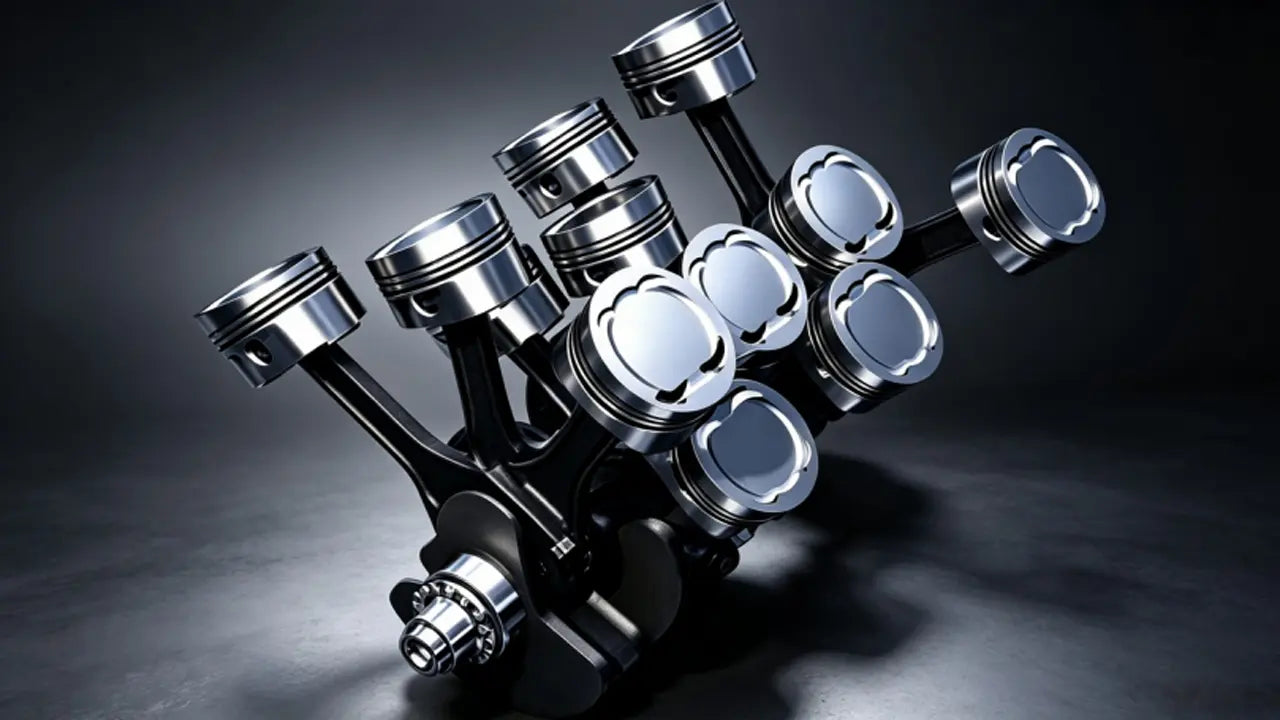
Most mechanics and car owners struggle to decide whether they can reuse pistons and connecting rods when tackling an engine rebuild. In this guide, we break down the risks of running worn rotating parts, the devastating damage caused by a failed connecting rod, cost differences between single components vs complete kits, key assembly rules to follow, and why many builders upgrade to forged pistons and rods. For nearly every rebuild project, going with a properly matched full overhaul kit will give you far better long-term reliability.
When you dive into an engine rebuild, every gearhead and shop tech faces one big choice: stick with your original pistons and connecting rods, or invest in brand-new assemblies? Pistons and connecting rods form the beating heart of your engine’s rotating assembly. Their condition directly affects how smoothly the motor runs, how much power it makes, and how many miles you can get out of it. Lots of DIY enthusiasts try to save money by reusing old factory parts, but this shortcut often leads to repeated breakdowns, weaker performance and costly secondary damage.
In this thorough engine rebuild article, we’ll cover whether used pistons and rods are safe to reinstall, plus critical info about failure risks, price comparisons, proper assembly techniques and the advantages of forged internals — so you can pick the most reliable path for your build with confidence.
Can You Drive With a Broken Connecting Rod?
Let’s cut straight to the point: you should never drive a vehicle with a damaged connecting rod.
The connecting rod links each piston to the crankshaft, turning combustion pressure into rotational power to move your car. Once a rod becomes bent, cracked, fatigued or partially fractured, your entire rotating assembly falls out of balance.
Running an engine with a bad connecting rod brings harsh shaking, loud rod knock, inconsistent compression and random oil leaks. Worst of all, a snapped rod can punch straight through your engine block. That means total engine destruction and an extremely expensive repair bill.
If you spot any signs of connecting rod damage during your inspection, shut the engine down immediately. Start planning for rod replacement or a full rebuild without delay.

If you want to learn more about judging connecting rod failure symptoms, you may reach out to us for advice.
Is It Safe to Reuse Old Pistons and Connecting Rods?
Technically speaking, reusing factory pistons and connecting rods is only acceptable if every component clears thorough professional measurement and inspection.
Through countless hours of operation, pistons and rods endure relentless pressure and extreme heat cycle after cycle. This slowly creates hidden metal fatigue, micro wear and slight distortion — issues that a basic visual check will never reveal.
Your original pistons are only fit for reuse when free of cracks, heat discoloration, heavy skirt scuffing and damaged ring lands. Connecting rods cannot have any bend, twist or stretched big-end journals whatsoever.
For most high-mileage engines, refitting used pistons and rods often leads to reduced compression, excessive oil burn, rough idle and accelerated wear on crankshaft bearings.
If consistent long-term reliability is your priority, rolling the dice on worn rotating internals always comes with notable risks.
Common Signs of Worn Pistons and Connecting Rods
Warning signs usually show up well before faulty pistons or connecting rods total your engine.
Watch for these common red flags: excessive oil burn accompanied by blue exhaust smoke, inconsistent cylinder compression, piston slap on cold startup, rough idle, and unexpected power loss when accelerating.
Rod knock is the most urgent warning you should never overlook. It produces a deep, rhythmic knocking noise that intensifies as you hit the gas. This sound most often originates from worn bearings, bent connecting rods, or clearances that sit outside factory specifications. Discovering metal flakes in your engine oil during service is another obvious clue that parts within the rotating assembly are suffering abnormal wear.
Continuing to drive with worn pistons or connecting rods will only let damage snowball over time. In the worst scenarios, a fractured rod can punch straight through your engine block. As soon as you spot any of these symptoms, arrange a full engine teardown and have every component inspected and measured by a professional.
| Engine Symptom | Severity Level | Recommended Technical Action |
|---|---|---|
| Blue exhaust smoke and excessive oil burn | Moderate | Complete engine inspection; check piston ring wear and piston skirt damage |
| Persistent rod knock under acceleration | Critical | Stop driving immediately. Perform full engine teardown; measure connecting rods and bearings |
| Piston slap noticeable on cold startup | Moderate | Inspect piston-to-wall clearance and worn piston skirts |
| Rough idle plus uneven cylinder compression | Moderate | Run compression test; examine ring lands and piston sealing surfaces |
| Metal debris found inside engine oil | Critical | Disassemble rotating assembly; inspect bearings, pistons and connecting rods for fatigue |
| Visibly bent or cracked connecting rod | Severe | Do NOT crank the engine. Replace pistons and rods with a matched overhaul kit |
Piston Rod Price: Is It Worth Buying Single Parts or a Full Kit?
Many car owners look up individual piston and rod pricing hoping to cut rebuild costs. Replacing just one or two components may seem cheaper upfront, but there are major hidden downsides.
An engine’s rotating assembly needs consistent weight balance, straight geometry and perfectly matched clearances across all cylinders. Mixing brand-new parts with old pistons and rods creates mismatched tolerances, rotational imbalance and persistent unwanted vibration.
When you weigh everything out, a complete pistons and connecting rods overhaul kit delivers far better overall value than buying loose separate pieces. Matched kits help you avoid repeated engine teardowns, last-minute extra part orders and failures shortly after assembly. In the long run, they are the smarter budget choice for reliable engine operation.

Professional Piston Rod Assembly Standards
Correct piston and connecting rod assembly is the foundation of any successful rebuild. Whether you plan to reuse original hardware or install brand-new sets, always build following official factory service specifications.
While assembling pistons and rods, technicians must check rod straightness, bearing surface condition, accurate torque figures and proper wrist pin clearance. Any torque-to-yield connecting rod bolts must be replaced with brand-new hardware. Once torqued originally, these bolts stretch permanently and lose reliable clamping force.
Careful assembly eliminates excessive clearances, abnormal friction and rotating imbalance, keeping your engine running smoothly after the rebuild You may consider our GPQ piston and connecting rod kits.
Weight Balancing For Pistons and Connecting Rod Assemblies
Lots of rebuilders overlook weight matching during engine work, yet proper balancing of piston and rod assemblies massively impacts durability and smooth operation.
Even tiny weight differences between cylinders create steady vibration as the engine spins. Over time, that constant vibration wears down rod bearings, speeds up crankshaft fatigue and causes rough high-RPM running.
If you reuse old parts or piece together separate components, getting consistent weight balance becomes extremely difficult. Complete piston and rod overhaul kits come factory pre-balanced, with rotating mass kept within tight tolerances from production.
Factory-balanced kits work perfectly for regular daily drivers without extra machine shop balancing work. If you are building a turbocharged setup or a track-focused vehicle, additional precision balancing is highly recommended to handle heavy loads and high RPM.
Skipping balancing might feel like an easy way to save money, but unbalanced rotating internals raise the chance of early component failure and undo many of the improvements you want from your rebuild.
Forged Pistons and Connecting Rods: Performance Upgrade or Stock Replacement?
When rebuilding or upgrading performance motors, many enthusiasts choose forged pistons and connecting rods over standard cast factory components. Compared to cast internals, forged pistons and rods offer higher strength, better toughness, improved heat resistance and much stronger resistance to metal fatigue.
For ordinary daily commuter vehicles, stock cast piston and rod kits meet all original performance requirements perfectly. For modified high-boost engines or vehicles facing heavy loads, forged internals resist bending, cracking and deformation under extreme pressure, greatly boosting engine durability and power capacity.
Daily Driver vs Track Engine: Different Rebuild Standards
Not every engine rebuild is created the same. The pistons and connecting rods you select have to fit how you actually drive your car. Daily street vehicles and track-focused performance motors face entirely different loads, clearance specifications and component demands, and your rebuild plan should align with those needs.
For everyday commuter cars, long service life, smooth running and solid fuel economy take top priority. Factory-spec cast pistons and standard connecting rods are more than sufficient for regular road driving. These engines mostly operate at moderate RPM under light loads, and rarely encounter heavy boost or sharp temperature spikes. A basic matched overhaul kit built to OEM tolerances will restore original performance and deliver reliable mileage for your daily trips.
On the flip side, track cars, modified turbo builds and race engines run under relentless, punishing conditions. They endure constant high RPM, extreme combustion pressure, rapid heat cycles and consistent hard acceleration. Stock cast internals cannot withstand this abuse long-term, leaving them susceptible to metal fatigue, bending and cracks over time.
If you’re putting together an engine built for track use, upgraded forged pistons, reinforced connecting rods, tighter weight balancing and careful assembly methods are essential. Minor imperfections and tiny clearance differences you can easily ignore on a street build will escalate rapidly and trigger catastrophic failure when pushed to the limits out on the circuit.
Understanding the difference between street and track rebuild standards keeps you from blowing money on performance upgrades you will never use, or cutting vital corners where structural strength cannot be compromised. Matching your piston and rod assembly to your driving goals helps you hit the ideal sweet spot between long-term durability and usable power.
Why Choose a Full Pistons and Rods Overhaul Kit?
Rather than rolling the dice on pre-used worn components or mixing-and-matching random individual parts, investing in a fully matched piston and connecting rod overhaul kit delivers several major advantages:
Precision Matched Clearances
Every piston, connecting rod, bearing and included gasket is manufactured to consistent standards. This removes the risk of incompatible tolerances that pop up when combining separate aftermarket pieces.
Remove Hidden Failure Hazards
All rotating hardware arrives brand new, free from accumulated metal fatigue and microscopic wear that inevitably develops on parts with previous runtime.
Cut Down On Labor & Downtime
Get everything you need for the rebuild in one package. You won’t be forced to pull the engine apart repeatedly to source missing or mismatched components mid-project.
Bring Back Original Engine Performance
Properly fitted new assemblies reliably fix common pain points including oil burning, weak cylinder compression, unwanted vibration and sluggish power output.

Final Verdict
Reusing old pistons and rods might save you a small amount of money at first, but it significantly raises your risk of major engine failure. Driving with damaged connecting rods is extremely unsafe, and replacing only individual parts cannot fix imbalance and tolerance mismatch issues.
Whether you just need standard stock replacements or plan to step up performance with forged internals, a full matched piston and connecting rod overhaul kit remains the safest, most reliable and cost-efficient solution for your engine rebuild.
If you have any questions or requirements regarding our products, feel free to contact us.
Key Takeaways
Visual checks alone aren’t enough to safely reuse pistons and connecting rods. You’ll need professional measurements to catch hidden metal fatigue and distortion you can’t see by eye.
Mixing used parts with random single replacements causes tolerance mismatch and rotating imbalance. A fully matched complete overhaul kit offers far better long-term value for your build.
Stick with cast internals for everyday daily drivers. Upgrade to forged pistons and connecting rods if you own turbo setups, track cars or vehicles used under heavy loads.
Never reuse torque-to-yield connecting rod bolts or worn old piston rings on any engine rebuild project.
Small assembly mistakes, wrong torque values or skipping weight balancing can end up causing serious engine damage once you fire the motor back up.
If you spot blue exhaust smoke, constant rod knock or metal flakes floating in your engine oil, plan a full engine teardown and component inspection right away.
Frequently Asked Questions
Q: Can I reuse pistons and rods without professional measurement?
A: No. Visual inspection cannot detect micro-deformation and metal fatigue. Professional dimension testing is mandatory before reusing any rotating parts.
Q: Is buying separate pistons and rods cheaper than a full kit?
A: Individual components may seem cheaper upfront, but mismatched tolerances can lead to premature engine damage and additional labor costs down the line.
Q: When should I choose forged pistons and rods?
A: Forged pistons and rods are recommended for turbocharged builds, track vehicles, and heavy-duty applications. Stock cast kits are sufficient for regular daily-driven vehicles.
Q: Can I reuse old piston rings if my pistons still look good and pass inspection?
A: Definitely not. Even if your pistons check out perfectly, old piston rings lose tension and wear over time. They will not seal properly against the cylinder walls or align correctly with worn ring grooves. Reusing old rings almost always results in oil consumption, low compression, and poor engine performance immediately after your rebuild.
Q: Why do I get rod knock right after an engine rebuild?
A: Post-rebuild rod knock typically stems from incorrect torque values, insufficient bearing clearance, improper balancing, or damaged connecting rod big ends. Always double-check all assembly measurements before starting the engine.
Q: What steps should I take before starting an engine rebuild?
A: Fully disassemble and measure all original pistons and connecting rods. Inspect for wear to determine whether they can be reused or need replacement. If any parts fail inspection, install a matched piston and connecting rod overhaul kit. Follow OEM or GPQ service manuals for precise torque specifications during piston rod assembly.
GPQ Technical Support

Our technical articles are written and verified by master technicians and senior engine rebuilders at GPQ Engine. We ensure every diagnostic guide, OBD-II analysis, and fitment specification meets rigorous OEM-standard criteria.
Recent Post


